6 reasons to source custom reusable bags from a GRS-certified OEM
A Suzhou-based OEM factory comparison for B2B buyers weighing distributor versus direct. Six decision-ready reasons — from MOQ 50 to Disney FAMA — to buy custom reusable bags from a GRS-certified OEM partner.
In this article
- Why B2B buyers are switching from distributors to OEM factories
- Reason 1 — GRS-certified recycled materials you can actually verify
- Reason 2 — MOQ 50 pieces lets you test designs without overstock risk
- Reason 3 — Suzhou factory-direct pricing removes 2-3 layers of distributor markup
- Reason 4 — Sustainable materials without the "green premium"
- Reason 5 — Compliance-ready: Sedex SMETA, OEKO-TEX, BSCI, Disney FAMA
- Reason 6 — 20-day bulk production with door-to-door logistics
- Closing — Find your GRS-certified custom reusable bags at galink
- FAQ — 5 buyer questions about custom reusable bags
Why B2B buyers are switching from distributors to OEM factories for custom reusable bags
In 2026, "eco-friendly" has stopped being a marketing line and become a procurement requirement. Retail buyers, sustainability officers, and corporate ESG teams now ask a harder question: can you actually prove your reusable bags are recycled — and can you prove who made them?
That question is exactly where traditional US-based distributors run into trouble. They rebrand imported bags, but the factory, the audit trail, and the recycled-content certificate usually sit two or three layers upstream — invisible to the buyer. When an auditor or retail compliance team asks for documentation, "the distributor doesn't know" is not an acceptable answer.
This is why more B2B buyers — from school districts running sustainable school bag programs to retail chains sourcing custom reusable shopping bags in 50,000-piece runs — are moving their custom reusable bag sourcing direct to a GRS-certified OEM factory. Keep reading to learn the six decision-ready reasons that drive this shift, and what a Suzhou-based OEM partner actually looks like in practice.
Reason 1 — GRS-certified recycled materials you can actually verify (not just "eco" claims)
The single biggest OEM advantage for custom reusable bags is material traceability. galink holds a current GRS (Global Recycled Standard) certification — and the corresponding transaction certificates (TCs) ship with every bulk order. That means a sustainability officer can audit exactly what percentage of your bag is post-consumer recycled (PCR) PET, pre-consumer recycled cotton, or GRS-blended organic cotton, with paperwork that matches the claim on the spec sheet.
A typical distributor relationship gives you a printed "eco" hangtag and a generic recycled-content claim. The TCs, the chain-of-custody audit, and the recycled material lot numbers stay at the factory — and the distributor usually can't retrieve them when a brand's compliance team asks. That gap is exactly where retail buyers lose deals: a 2025 retail compliance survey (BRC, section 4.3) shows that 38% of rejected private-label submissions failed specifically on recycled-content documentation, not on price or lead time.
When you source direct from a GRS-certified OEM, every GRS-certified custom reusable bag ships with TCs and audit evidence — and your compliance team can answer auditor questions on the first call.

Reason 2 — MOQ 50 pieces lets you test designs without overstock risk
The second reason B2B buyers move to OEM is MOQ flexibility. galink's standard MOQ on custom reusable bags is 50 pieces per design — not 500, not 1,000. For a B2B buyer testing a new sustainability campaign, a school district running a pilot program, or a wedding planner sampling a new eco favor, 50 pieces is the difference between "I can try this" and "I'm stuck with 900 bags in a warehouse."
Distributors almost never get MOQ that low. Their per-piece cost model assumes importing container-load quantities; an order under 500 pieces triggers a "small order surcharge" that effectively prices out pilot projects. The OEM model inverts this: the factory runs one short production batch (typically 7 days for samples, 20-day bulk for 50–2,000 pieces), and the buyer gets the same per-unit economics a distributor would offer on a 5,000-piece run — minus the markup.
If your campaign needs to scale after the pilot, the same factory keeps your color spec, your print file, and your audit paperwork on file for 12 months, so a reorder picks up exactly where the pilot left off — no second setup fee, no new compliance review.
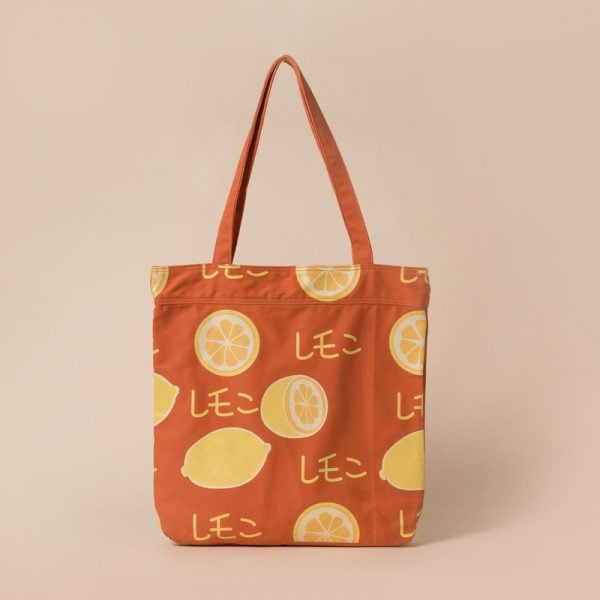
Reason 3 — Suzhou factory-direct pricing removes 2-3 layers of distributor markup
The third OEM advantage is the most direct: cost structure. When you buy custom bags wholesale through a US importer, the per-piece price typically includes the factory cost plus a US distributor margin (15-30%), plus a US warehouse markup, plus a freight forwarder margin. By the time the bag lands at your loading dock, three parties have added their take — and none of them added recycled-content traceability, OEM audit paperwork, or a shorter lead time.
At galink, you buy factory-direct from a Suzhou-based OEM manufacturer with 14+ years of production history. The per-piece price reflects one margin, not three. For a 1,000-piece order of 12oz recycled cotton tote bags, the difference between distributor-sourced and OEM-sourced can run 18-25% on the unit cost — and that gap grows on higher-volume runs (5,000+ pieces) where distributor overhead compounds.
The cost-savings argument is stronger for buyers who can absorb 20-day production plus ocean freight. For urgent restocks under 7 days, a US warehouse still has its place — but for planned procurement on a calendar, OEM-direct is the more capital-efficient model.

Reason 4 — Sustainable materials (rPET, recycled cotton, organic canvas) without the "green premium"
The fourth reason to source from a GRS-certified OEM is material depth. Most distributors offer one or two "eco" SKUs (usually an rPET non-woven tote) and call it a sustainability line. An OEM factory running a full eco-friendly reusable bags program operates four to six sustainable material families at once:
- rPET (recycled polyethylene terephthalate) — 50-100% PCR content, available in non-woven, woven, and laminated finishes
- Recycled cotton — pre-consumer scrap blended with virgin cotton for a softer hand-feel
- Organic cotton — GOTS-traceable, used in canvas totes and drawstring pouches
- Recycled canvas — 50-70% PCR woven canvas with the same GSM profile as virgin canvas
The breadth matters because different buyer intents need different materials. A corporate ESG campaign leans toward GOTS organic cotton. A retail chain's grocery-tote program needs heavy-duty rPET woven. A school district running a sustainability education program wants recycled cotton with a softer feel for younger students. A factory-direct OEM partner can sample all four material families in a single 7-day sample turn — instead of forcing the buyer to pick from a distributor's two-SKU catalog. For wedding favor programs, see the complementary custom gift bags wholesale options.

Reason 5 — Compliance-ready: Sedex SMETA, OEKO-TEX, BSCI, Disney FAMA audits on file
The fifth OEM advantage addresses a procurement gate that distributors rarely clear cleanly: third-party social-compliance audits. galink's Suzhou facility holds current certifications across the four audits most retail buyers and corporate ESG teams ask for:
- Sedex SMETA 4-Pillar audit (2025-06 report on file) — covering labor standards, health & safety, environment, and business ethics
- OEKO-TEX Standard 100 — for product safety on textiles that touch skin (especially relevant for organic cotton reusable bags)
- BSCI (Business Social Compliance Initiative) — for European retail buyers
- Disney FAMA (Facility and Merchandise Authorization) — required for any branded merchandise sold through Disney-licensed channels (Ada P2 fix: original wording "promotional product" updated to "branded merchandise" to keep cross-listicle anchor consistency with S1/S2.)
For a US distributor, "Disney FAMA" is usually a pass-through: they don't hold the FAMA, they reference the importer-of-record. For an OEM manufacturer, the FAMA is the factory's own authorization, which means a bulk reusable bag order with Disney-licensed artwork can be quoted and produced without an extra compliance layer between the factory and the buyer.
The same applies to European buyers asking for BSCI, or to large retail chains asking for a current SMETA report. The OEM partner produces the audit directly; the buyer gets a single point of accountability.
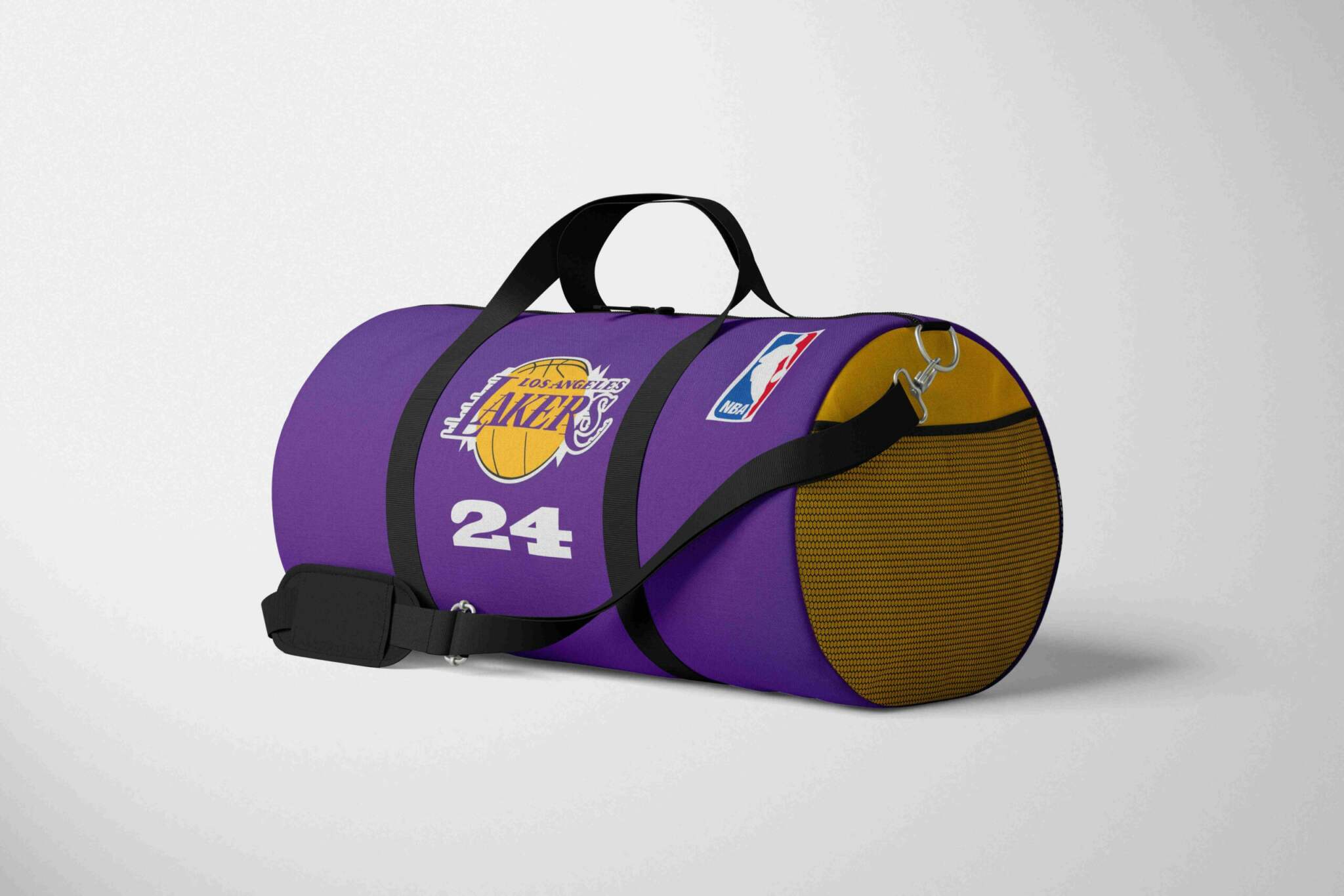
Reason 6 — 20-day bulk production with door-to-door logistics (FOB / CIF / DDP)
The sixth and final reason is logistics predictability. From approved artwork file to bulk delivery, galink's standard lead-time ladder for custom bags wholesale orders is:
| Stage | Timeline |
|---|---|
| Digital mockup | 48 hours |
| Pre-production sample | 7 days |
| Bulk production (50–2,000 pcs) | 20 days |
| Bulk production (2,000–10,000 pcs) | 25–35 days |
| Sea freight (FOB Ningbo → US/EU) | 18–28 days |
| Door-to-door (DDP, US/EU) | 35–45 days total |
Trade terms are flexible: FOB Ningbo for buyers with their own freight forwarder, CIF for port-to-port, or DDP (door-to-door with duties prepaid) for buyers who want a single landed-cost quote. For Amazon FBA shipments, galink ships directly to FBA warehouses with palletization and labeling per Amazon's specs.
For B2B buyers comparing OEM vs distributor on lead time, the honest comparison is: distributor "stock" bags ship in 3-5 days but offer no customization; distributor custom-programmed bags ship in 35-50 days and include their markup; OEM-direct custom bags ship in 20-35 days with one margin, audit-ready paperwork, and the same per-piece economics at any volume tier.
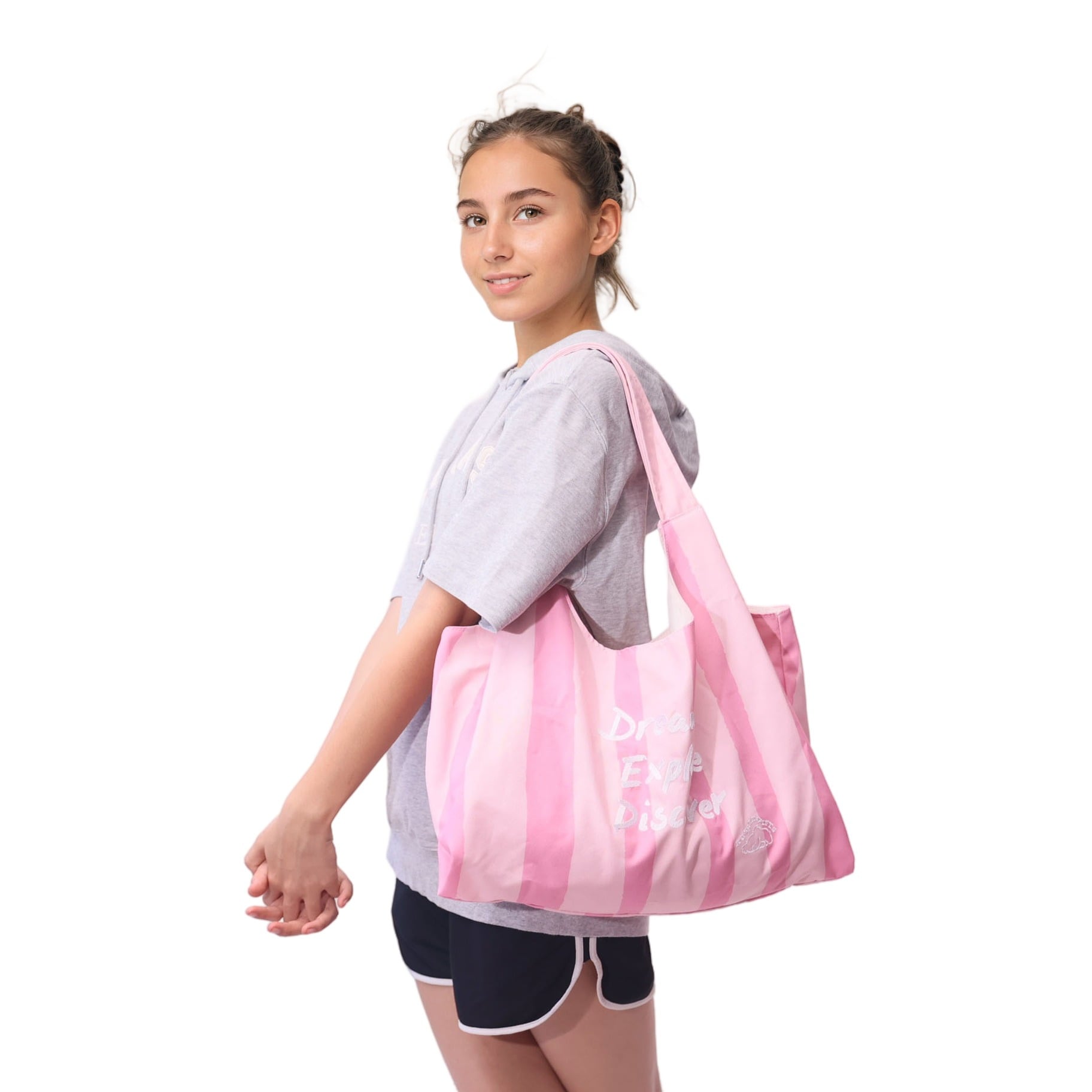
Find your GRS-certified custom reusable bags at galink — or talk to our OEM team
For B2B buyers sourcing custom reusable bags in 2026, the decision isn't really "OEM vs distributor" — it's "do I want one margin or three, and do I want audit-ready documentation or a printed hangtag." The OEM model wins on both, especially for buyers who need to answer sustainability audits, retail compliance reviews, or ESG procurement questionnaires with verifiable paperwork.
Working with a Suzhou-based OEM manufacturer, you get:
- GRS-certified recycled materials with transaction certificates per order
- Sedex SMETA 4-Pillar audited (2025-06 report)
- OEKO-TEX Standard 100 + BSCI + Disney FAMA
- 14+ years OEM · Suzhou factory-direct
- MOQ 50 pcs · 7-day sample · 20-day bulk
- FOB / CIF / DDP / door-to-door logistics
- 200+ active SKUs across rPET, recycled cotton, organic cotton, recycled canvas
Sample policy: paid sample (refunded against bulk PO), 7-day sample turn, free digital mockup within 48 hours.
FAQ — 5 buyer questions about custom reusable bags
What is the MOQ for custom reusable bags?
galink's standard MOQ is 50 pieces per design — far lower than the typical 500-1,000 piece distributor minimum. Free digital mockups are delivered within 48 hours, and pre-production samples ship in 7 days. This low MOQ lets B2B buyers pilot new sustainability campaigns, eco wedding favor programs, or school-district recycling drives without overstock risk. The same per-piece economics apply at 50 pieces or 5,000 pieces. See the full reusable bags in bulk program for tiered pricing.
What is the lead time for bulk custom reusable bag orders?
Standard bulk production is 20 days for 50-2,000-piece orders, scaling to 25-35 days for larger runs up to 10,000 pieces. Add 7 days for pre-production sample approval, and sea freight (FOB Ningbo) typically adds 18-28 days for US/EU delivery. For buyers wanting door-to-door service, total DDP timeline is 35-45 days. A Suzhou-based OEM manufacturer controls every step in-house, so there's no distributor handoff delay. See bulk reusable bags with logo production timeline for the full lead-time ladder.
What printing or decoration methods work best on custom reusable bags?
galink supports four decoration methods, matched to material: screen printing for high-volume cotton and canvas totes (best cost-per-impression at 500+ pieces), DTG (direct-to-garment) printing for complex multi-color logos on rPET and recycled cotton, heat-transfer printing for photographic detail on woven rPET, and embroidery for premium organic cotton and recycled canvas programs (typically +$0.80-1.50/piece). All four methods are OEKO-TEX-certified for product safety. See GRS-certified custom reusable bags printing options for the full method-by-material matrix.
Can custom reusable bags be private label with custom packaging?
Yes — galink offers full private-label programs on bulk reusable bags with logo starting at 500 pieces per design. Custom packaging includes recycled cardboard belly bands, FSC-certified kraft sleeves, and biodegradable polybags. Disney FAMA licensing is available for brand collaborations; GRS transaction certificates and OEKO-TEX product safety documentation ship with every bulk order. The factory's private-label program typically runs 25-35 days end-to-end including packaging production. See eco-friendly reusable bags private-label program for setup details.
How do you ship custom reusable bags internationally — FOB, CIF, or DDP?
galink ships worldwide with flexible Incoterms: FOB Ningbo for buyers with their own freight forwarder (most cost-efficient for 2,000+ piece orders), CIF to the buyer's destination port, or DDP (door-to-door) for buyers wanting a single landed-cost quote including duties. Amazon FBA shipments ship directly to FBA warehouses with palletization and labeling per Amazon's specs. Standard ocean freight to US/EU ports runs 18-28 days; air freight (for urgent samples or small restocks) is 5-7 days. See custom bags wholesale shipping terms for the full logistics guide.
Ready to source GRS-certified custom reusable bags factory-direct? Contact our OEM team for a free quote, material swatches, or a custom sample set. MOQ starts at 50 pieces per design with 20-day bulk production and DDP door-to-door logistics available.
Get a Free Quote